

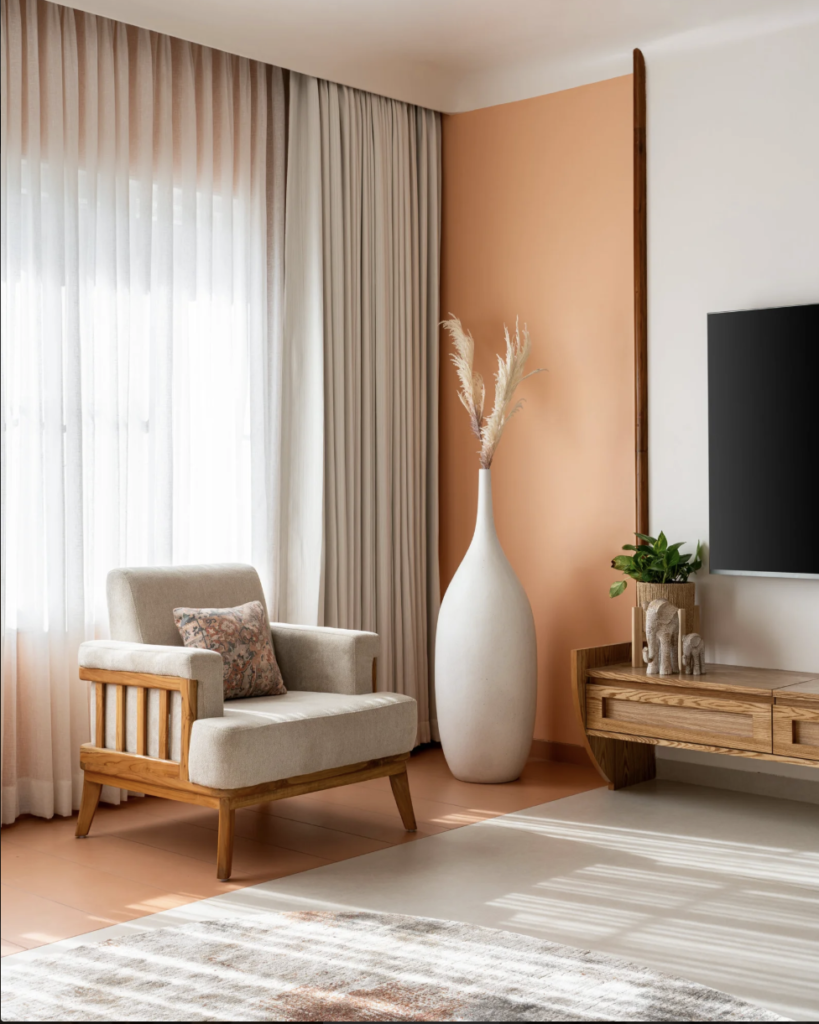
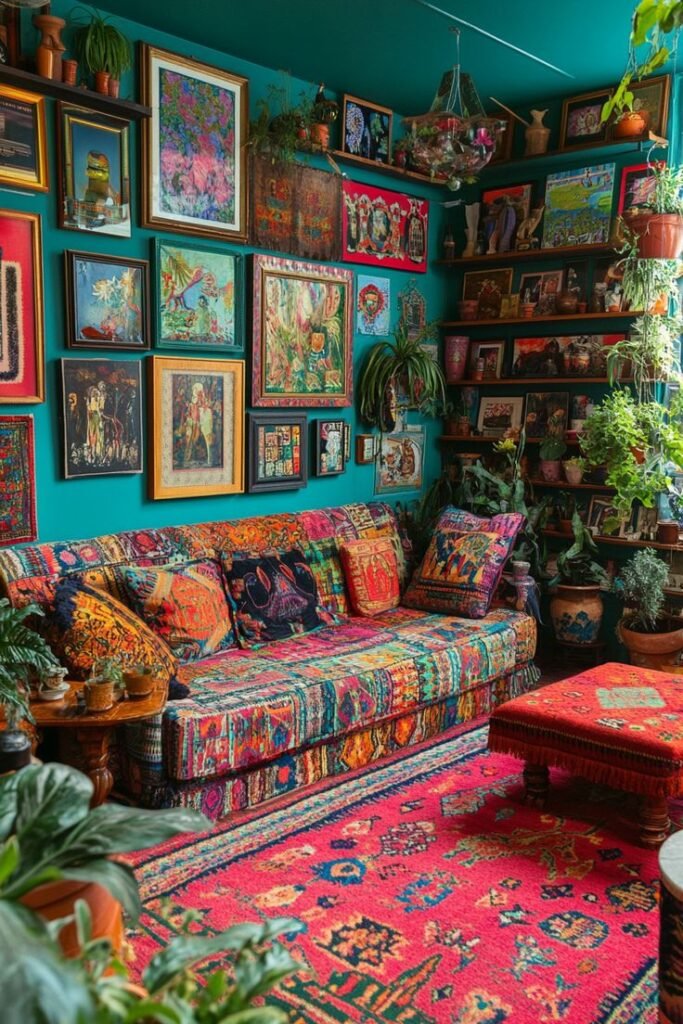
Interior design often feels like a choice between two worlds: the calm restraint of minimalism and the expressive energy of maximalism. But in reality, great design is rarely about extremes. It’s about alignment with your lifestyle, your personality, and how you want your space to feel.
At Sparc Design, we don’t see minimalism and maximalism as opposites. We see them as tools. And the key lies in knowing how and when to use each.
Understanding Minimalism: The Power of Restraint
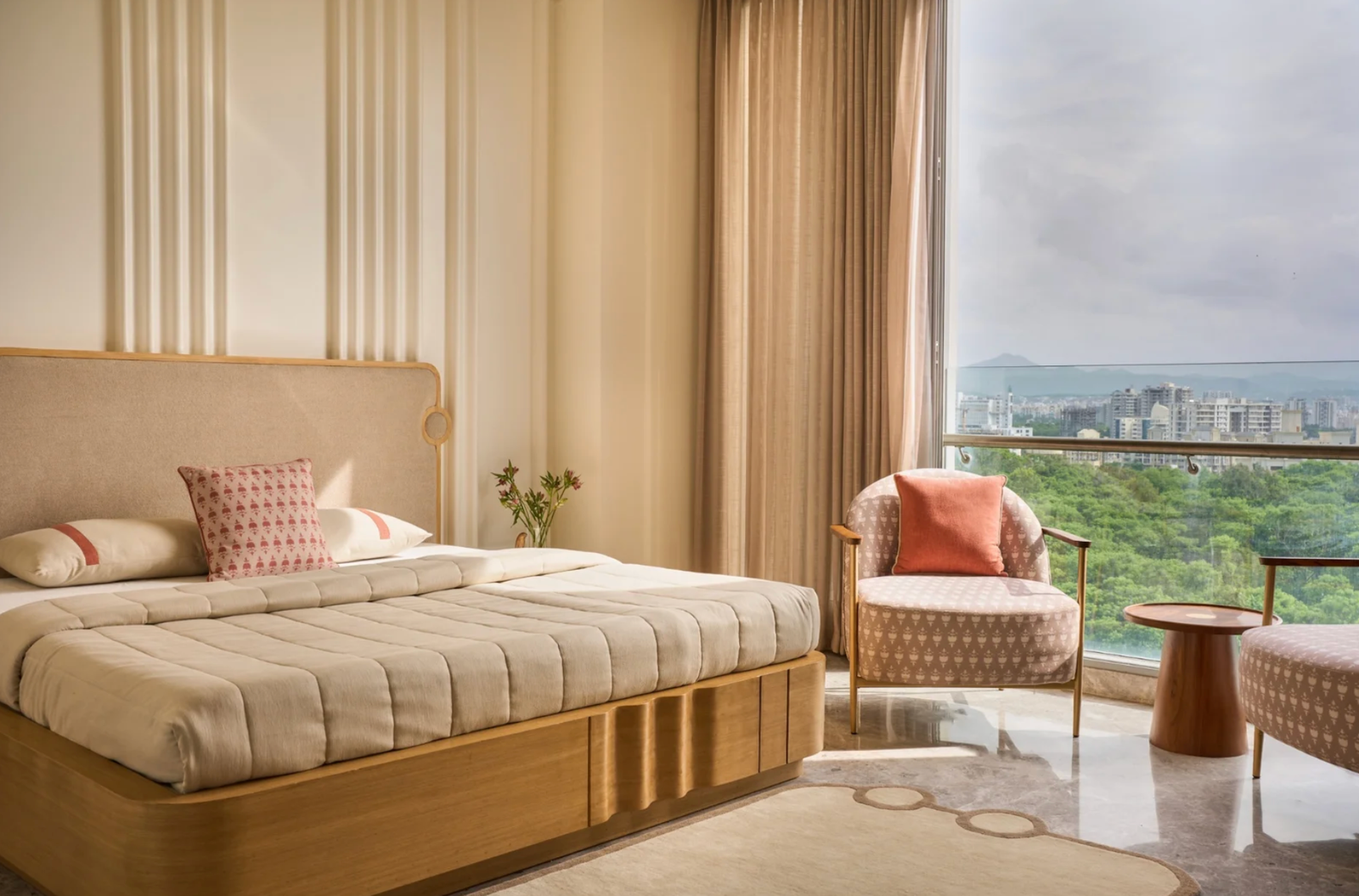
Minimalism is not about emptiness. It is about intention.
Rooted in clarity, proportion, and balance, minimalist spaces rely on:
- Clean lines
- Controlled palettes
- Open breathing areas
- Thoughtfully curated elements
In minimalist interiors, materials take center stage. Texture replaces ornament. Light replaces decoration. Every object earns its place.
The result?
Spaces that feel calm, structured, and timeless.
Minimalism works beautifully for those who value clarity, functionality, and visual quiet especially in fast-paced urban lifestyles where the home becomes a retreat.
Understanding Maximalism: The Art of Expression
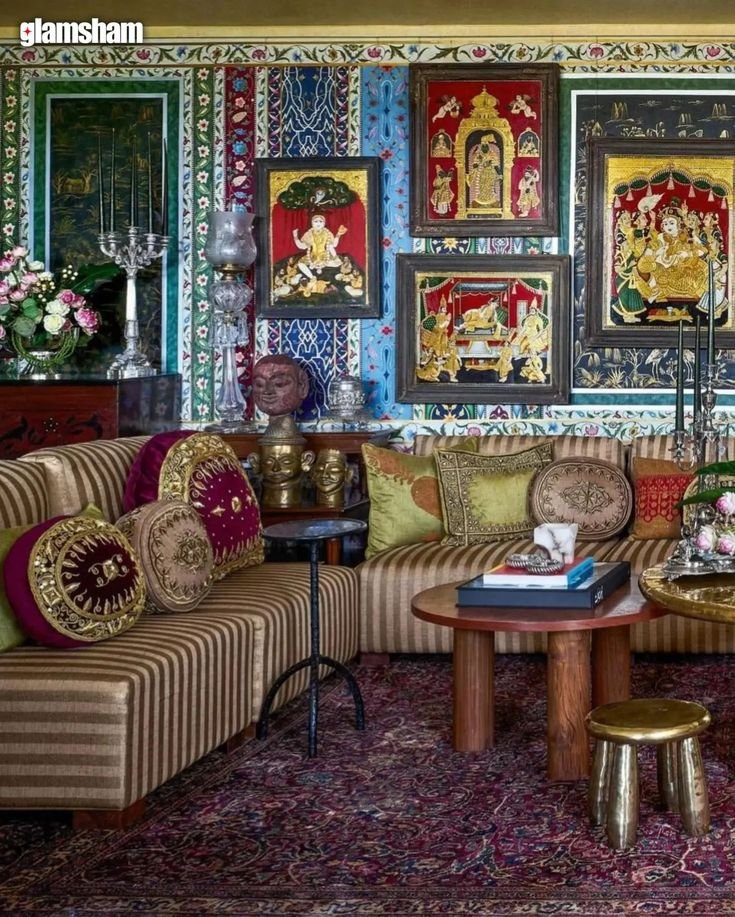
Maximalism, on the other hand, celebrates personality. It embraces:
- Layered textures
- Rich colours
- Bold artwork
- Statement furniture
- Pattern and narrative
But true maximalism is not clutter. It is curated in abundance. It requires as much discipline as minimalism, just expressed differently. When done well, maximalist spaces feel layered, lived-in, and deeply personal. They tell stories. They spark conversation. They carry emotion.
Maximalism often resonates with individuals who see their home as an extension of identity, expressive, dynamic, and evolving.
The Myth of Choosing One
One of the biggest misconceptions in design is that you must choose a side. In reality, most homes benefit from a dialogue between the two.
A space can be architecturally minimal yet layered with expressive art.
A neutral palette can coexist with bold furniture.
A calm base can support statement elements.
This balance is where true character emerges.
How to Find Your Style
Finding your design language is less about trends and more about awareness. Here are a few questions that help:
- How do you want to feel in your space?
Calm and grounded? Energised and inspired? - What do you naturally gravitate toward?
Clean, open layouts or layered, detailed compositions? - How do you live?
Do you prefer visual simplicity, or do you enjoy surrounding yourself with collections and objects? - What is your tolerance for visual stimulation?
Some people thrive in vibrant environments. Others need stillness.
Designing Beyond Trends
Trends change. Your home shouldn’t have to.
When you understand your preferences and how you experience space, your design choices become timeless. Whether you lean toward restraint or richness, the most successful interiors are those that feel authentic spaces that support how you live, not how a style dictates you should live.
In the end, it’s not about choosing minimalism or maximalism.It’s about finding your balance between the two.
